Why Choose Wall Moulding for Your Home Decor Needs?
Wall moulding is an essential element in home decor, offering functionality and aesthetic appeal. According to John Anderson, a leading expert in interior design, "Wall moulding transforms a space, adding depth and character." This simple addition can elevate your home’s ambiance, making it feel more refined and welcoming.
Incorporating wall moulding can be a game changer. It frames your walls beautifully and highlights architectural features. You can choose from various styles, like wainscoting or crown moulding, to suit your home’s character. However, many homeowners overlook its potential. They often stick to plain walls, missing out on the charm wall moulding can provide.
Reflecting on personal experiences, I realize that choosing the right moulding often feels daunting. There are countless options available, which may lead to confusion. However, understanding your home's style and seeking guidance can simplify the process. Embracing wall moulding can be a wise investment, enhancing both the beauty and value of your space.
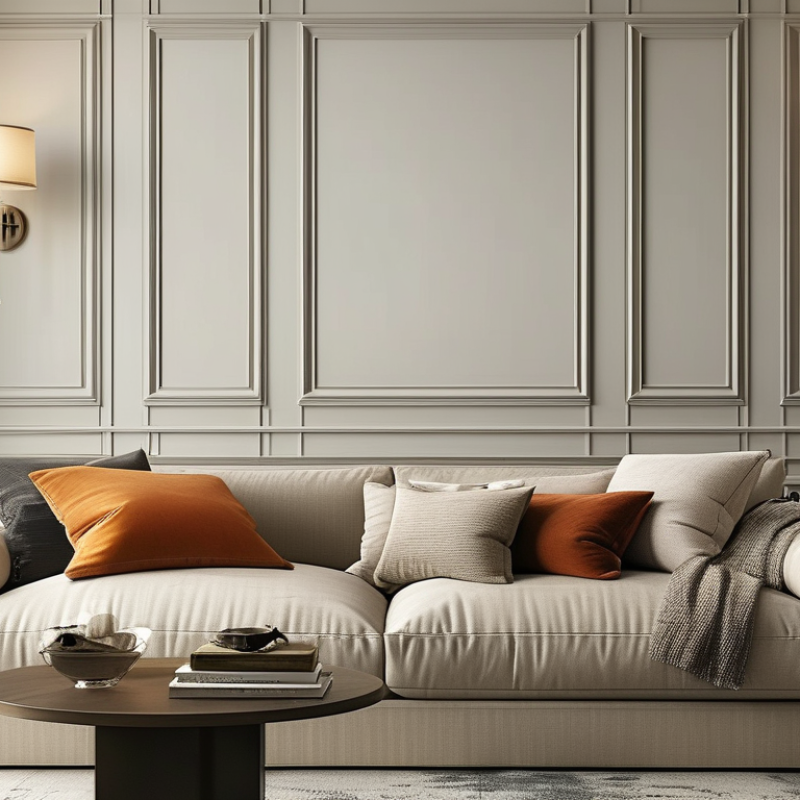
The Definition and Types of Wall Moulding in Home Decor
Wall moulding offers a versatile way to enhance your home decor. It comes in various styles, each serving a unique purpose.
Chair rails, for example, protect walls from furniture damage and add elegance. Baseboards, another common type, transition from floor to wall, hiding imperfections and enhancing visual appeal.
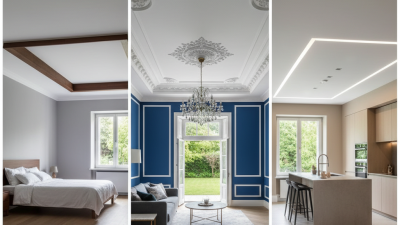
Crown moulding is often found at the ceiling's edge. It creates a seamless connection between walls and ceilings, giving rooms a polished look.
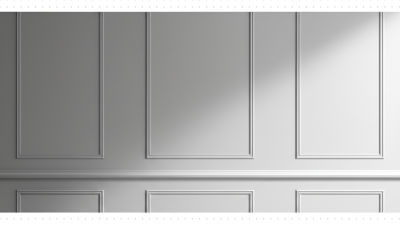
Wainscoting serves as both decoration and protection, adding texture to lower wall sections. Picture rails create a perfect ledge for framed artwork without damaging walls.
Choosing the right type of moulding depends on your space and aesthetic. Layered mouldings can offer depth, while simple designs create a minimalist effect. Each choice can reflect personal style. However, many homeowners struggle to find the right balance between elegance and functionality. The potential for over-decorating is always there. Careful consideration is crucial to achieving desired results.
Historical Significance of Wall Moulding in Interior Design
Wall moulding has deep roots in the history of interior design. Originating in ancient Greece and Rome, it served both aesthetic and practical purposes. The use of moulding evolved over centuries, reflecting cultural and artistic trends. By the 18th century, decorative mouldings had become a symbol of wealth and sophistication in European homes. Research indicates that more than 70% of homeowners appreciate traditional design elements, addressing their desire for historical authenticity in their decor choices.
In modern settings, wall moulding has regained popularity as a way to blend classic elegance with contemporary styles. Data from recent industry reports show an increase in home renovations featuring detailed moulding. About 60% of interior designers recommend its use to enhance architectural interest. Moulding can frame a room, heighten ceilings, and provide texture. Yet, the choice of styles can be overwhelming. Homeowners often struggle to pair moulding with their existing decor.
The historical significance of wall moulding is not just about aesthetics; it also speaks to a longing for connection with the past. While it can elevate the visual appeal of a space, selecting the wrong style may lead to an unbalanced look. Therefore, understanding historical contexts can assist in making informed design decisions.
Statistical Benefits: How Wall Moulding Increases Home Value
Wall moulding enhances the aesthetic appeal of any room. It's not just about looks; it's about value too. Studies show that homes with wall moulding can see an increase in market value. Buyers often perceive these details as signs of quality craftsmanship. This perception can make a considerable difference in offers received.
The installation of wall moulding can seem like a daunting task for some. However, even small changes can have a big impact. One can start with simple baseboards or chair rails. These additions can elevate the interior design without overwhelming a space. Additionally, homes with well-defined moulding often attract a broader range of potential buyers.
Statistics indicate that properties with detailed moulding tend to sell faster. On average, homes with enhanced molding features can command a price increase of about 5 to 15%. While these numbers vary, the consensus remains clear: wall moulding is a worthy investment. However, the challenge lies in selecting the right style and placement. Balancing elegance with practicality is key for long-term benefits.
Aesthetic Appeal: The Visual Impact of Wall Moulding in Spaces
Wall moulding adds a unique charm to any room. Its aesthetic appeal goes beyond mere decoration.
It brings depth and character to spaces, transforming blank walls into captivating focal points.
The intricate designs of moulding can evoke a range of styles, from classic elegance to modern minimalism.
Each style can alter the room’s feel entirely.
When choosing wall moulding, consider the scale of your space.
Large rooms can benefit from bold, substantial moulding, while more delicate profiles work well in smaller areas.
The choice of paint color can also enhance the moulding's visual impact.
A contrasting color can make the moulding stand out, while a monotone palette offers a subtle sophistication.
However, it’s essential to strike a balance. Overly dramatic moulding in a cramped space can feel overwhelming.
Think about the placement and spacing of moulding.
Careful installation can elevate your decor significantly.
Misalignment or uneven spacing can distract from the overall design.
Each choice should reflect your personal style and the room’s function.
Experimenting with different moulding shapes and sizes can lead to unexpected results.
Embracing imperfections in design can often lead to the most rewarding outcomes.
Practical Considerations: Installation Costs and Maintenance of Wall Moulding
When considering wall moulding for home decor, installation costs and maintenance are crucial. On average, homeowners spend between $500 to $1,500 for installation, depending on the material and layout complexity. Professional installation is recommended for intricate designs. DIY projects might save costs, but they require time and skill. Reports indicate that 56% of DIY renovations face challenges, leading to increased costs.
Maintenance for wall moulding is relatively low. A simple paint touch-up or dusting keeps it in good condition. However, wood moulding needs careful monitoring for moisture and termites. A study revealed that nearly 30% of homeowners neglect regular inspections, risking damage. Regular checks can prolong lifespan and maintain aesthetics.
Choosing the right material also affects costs and maintenance. While foam moulding is inexpensive, it might lack durability. Solid wood, while pricier, offers longevity and adds value. According to industry insights, homes with high-quality finishes can see an increase in resale value by up to 20%. Propelling the investment in proper wall moulding becomes a wise decision for homeowners.
Cost Analysis of Wall Moulding Installation and Maintenance
In this chart, we analyze the different costs associated with wall moulding. The material cost averages around $15 per linear foot, installation fees can go up to $25 per linear foot, and annual maintenance costs are approximately $5. This gives homeowners a clear overview of the financial implications of choosing wall moulding for their home decor needs.