Top Ceiling Trim Designs for Your Home in 2026?
When designing your home in 2026, ceiling trim plays a pivotal role in enhancing the overall aesthetic. The right ceiling trim can elevate rooms, adding elegance and character. Today, architects and designers are embracing innovative styles that transform ordinary ceilings into statement pieces.
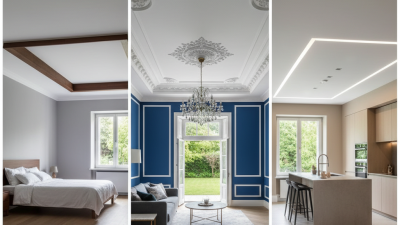
Consider the interplay of materials and shapes. For example, wooden crown moldings offer warmth, while sleek metal trims provide a modern touch. To create visual interest, mix different dimensions and heights. This approach can yield a more dynamic and captivating ceiling.
However, achieving the perfect ceiling trim requires careful planning. It's vital to consider the proportions of your space. Oversized trim in a small room can feel overwhelming. Conversely, delicate trim in a large area may disappear. Balancing these elements is crucial to design success.
Exploring the Importance of Ceiling Trim in Home Design
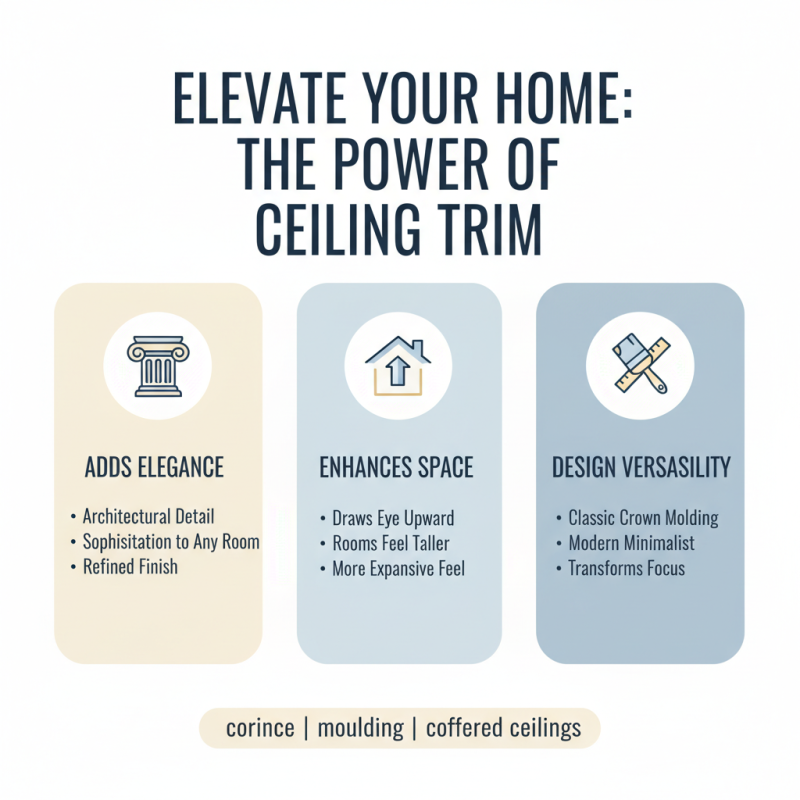
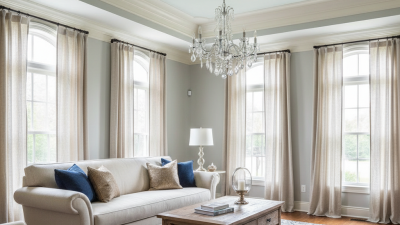
Ceiling trim plays a significant role in home design. It adds elegance and visual interest to a space. By framing the ceiling, it draws the eye upward, making rooms feel taller and more expansive. Different materials and styles can transform an ordinary ceiling into a stunning focal point. Whether you choose classic crown molding or modern minimalist trims, the right design elevates your overall aesthetic.
Incorporating ceiling trim requires careful thought. It's essential to consider room size and ceiling height. Taller ceilings can handle wider, more intricate trims. However, smaller rooms may benefit from simpler, thinner designs. Always match trim styles to your home’s overall theme for a cohesive look. This thoughtfulness greatly impacts the ambiance of your living spaces.
Tips for selecting ceiling trim: Use lighter colors to brighten small rooms. Add molding for a touch of sophistication. Remember to adjust trim width based on furniture height. These approaches enhance the visual flow of your home. Embrace the imperfections of the space. Sometimes, creative solutions can create unique charm. Let your ceiling designs reflect your personality and style.
Key Trends in Ceiling Trim Designs for 2026
In 2026, ceiling trim designs focus on sustainable materials and innovative styles. A recent report indicates that over 40% of homeowners prefer environmentally friendly options. This trend aligns with the growing demand for eco-conscious living spaces. Reclaimed wood and recycled materials are becoming popular choices for ceiling trims. They not only reduce waste but also offer unique textures and character.
Another noteworthy trend involves the use of geometric patterns in ceiling trims. Designers are experimenting with bold shapes, adding a dynamic element to spaces. According to a 2023 design survey, 35% of designers anticipate geometric trims will dominate interior aesthetics in the coming years. These designs enhance visual interest and can even make a room appear taller or more spacious when executed thoughtfully.
Layered trims are gaining traction, creating a multi-dimensional effect. Homeowners seek distinctiveness in every element of their space. However, achieving harmony with diverse materials and styles can be challenging. Many find it difficult to integrate new trims with existing decor. The key lies in balancing bold choices with subtle accents. As trends evolve, continuous reflection on personal style is essential.
Top Ceiling Trim Designs for Your Home in 2026
| Design Style |
Material |
Color Palette |
Texture |
Popularity Score (1-10) |
| Modern Minimalist |
MDF |
Whites and Grays |
Smooth |
9 |
| Classic Crown Molding |
Wood |
Beige and Ivory |
Ornate |
8 |
| Geometric Patterns |
Plaster |
Pastels |
Textured |
7 |
| Industrial Chic |
Metal |
Earth Tones |
Rough |
6 |
| Farmhouse Style |
Reclaimed Wood |
Warm Neutrals |
Rustic |
8 |
Materials and Finishes for Modern Ceiling Trim
Ceiling trim can transform the aesthetic of any room. In 2026, popular materials include wood, metal, and plaster. Each adds a unique touch to ceiling designs. According to industry reports, about 65% of homeowners prefer natural materials like reclaimed wood for a warm, inviting look. Metal options are gaining traction, offering a modern feel that complements contemporary decor.
Choosing the right finish is crucial. Glossy finishes can reflect light, making rooms appear larger. Matte finishes, on the other hand, provide a subdued, classic look. Experts recommend using high-quality paints that resist fading and wear. A recent study found that 80% of interior designers now prioritize sustainability in their material choices.
Tip: When selecting ceiling trim, consider the room’s overall style. A sleek, minimalist room may benefit from metal trim, while a rustic space may suit wood best. Remember to keep the scale of the trim in proportion to the room height. This balance can enhance visual harmony.
Consider imperfections in the design process. Not every trim style will fit every space perfectly. Experimenting can lead to unexpected, creative results. Being open to making adjustments can inspire unique aesthetics in your home.
Innovative Styles: From Classic to Contemporary Ceiling Trim
Ceiling trim designs are evolving. Innovative styles blend traditional craftsmanship with modern flair. In 2026, homeowners are expected to embrace both classic and contemporary options. According to a recent industry report, the ceiling trim market is projected to grow by 8% annually. This growth reflects an increasing appreciation for aesthetic details in home interiors.
Classic crown molding remains a popular choice. It adds a timeless elegance to rooms. However, contemporary options are gaining traction. Designs featuring clean lines and minimalistic styles offer a fresh appeal. Interestingly, 62% of homeowners are looking for versatile trims that can adapt to various interior themes. They want options that work well with both rustic and modern settings.
Detail is key in this design trend. Textured ceiling trims can transform a simple room into a captivating space. Small design elements can significantly impact the overall look. Still, some homeowners struggle with selecting the right trim. They often face confusion over style compatibility. Learning about layering techniques or color contrasts may help them make better choices.
DIY Tips for Installing Ceiling Trim in Your Home
Ceiling trim can transform your home, adding elegance and style. Installing it yourself can seem daunting, but with the right tips, you can achieve professional results. Start by measuring the perimeter of the room accurately. This will help you calculate how much trim you need. Keep in mind that imperfections in walls may affect your measurements.
When choosing trim materials, consider both your budget and the desired aesthetic. Wood is classic, but there are also lightweight foam options available. Also, think about the paint finish. A high-gloss finish can reflect light beautifully. As you install the trim, use a level to ensure straight lines. This is crucial for a polished look.
While cutting trim, mistakes can happen. It's essential to have a miter saw for precise cuts. If a cut is slightly off, don’t panic. A bit of caulk can hide small gaps. Always take your time with each step, as rushing can lead to more errors. Patience is key in achieving a flawless finish.