How to Measure and Install Door Jambs for Perfect Fit?
When it comes to home renovations, measuring and installing door jambs is crucial. Door jambs frame the door and support its weight. A perfect fit enhances both functionality and aesthetics. If the jambs are too tight or too loose, issues will arise. Gaps can lead to drafts or security concerns.
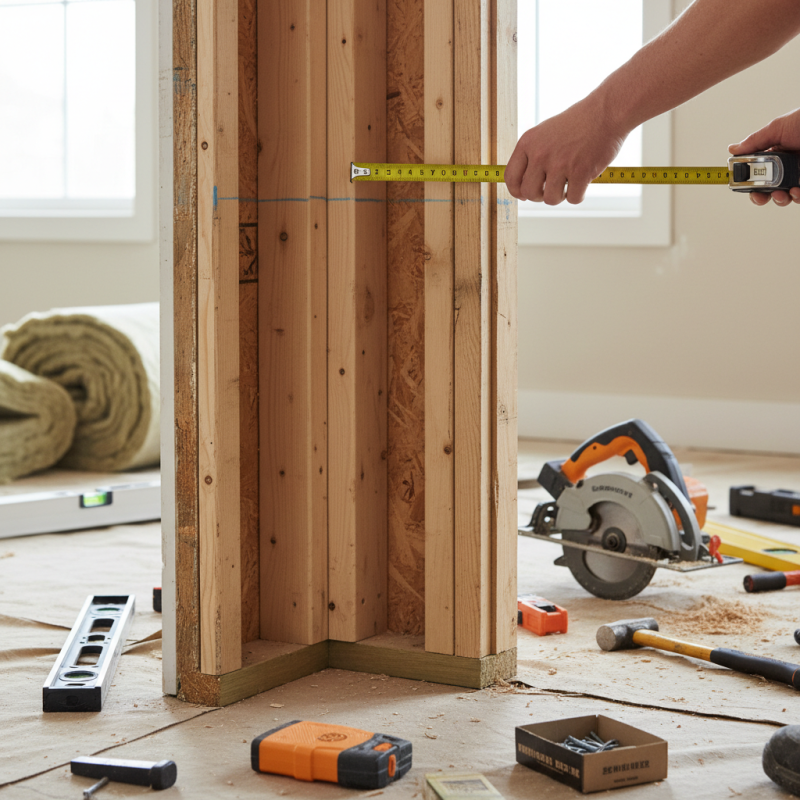
Measuring door jambs requires precision. Use a reliable tape measure and note every dimension carefully. An incorrect measurement can lead to costly mistakes. Remember, door jambs are not one-size-fits-all. Each door and frame can vary.
Installation of door jambs may seem straightforward, but it often proves challenging. You may encounter obstacles like walls that are not square. Such imperfections can complicate the fit. Taking the time to reflect on your measurements and adjustments holds significant importance. With patience and the right approach, achieving a perfect fit for door jambs is possible.
Understanding Door Jambs: Definition and Importance in Installations
Door jambs are essential in door installations. They frame the doorway and provide stability to the door. A well-installed door jamb ensures the door opens and closes smoothly. According to industry reports, nearly 30% of door problems stem from incorrectly installed jambs. This can lead to costly repairs and replacements. A good understanding of door jambs will help in achieving a perfect fit.
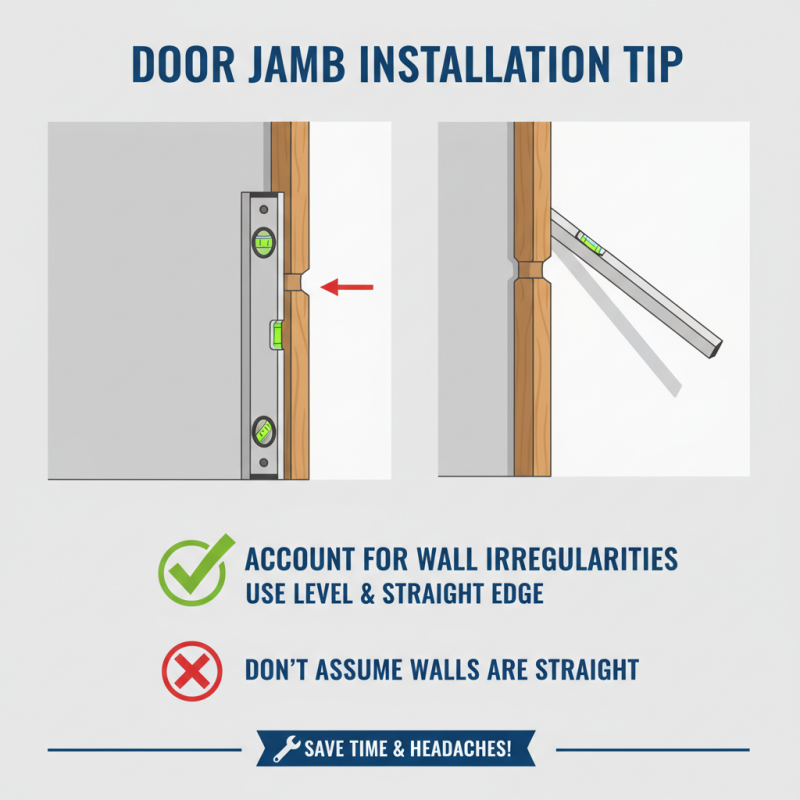
Measuring the door jamb accurately is crucial. The height and width should match your door specifications. Use a level to check for squareness. Doors can warp if the jamb is not perfectly squared. A slight misalignment can impact the functionality. When installing, some professionals recommend using shims to ensure the jamb is plumb. This can prevent future adjustments or issues.
**Tip:** Always measure twice before cutting the jamb. A small error can result in significant problems.
Don't forget to take the thickness of the drywall into account. Many forget this detail, leading to gaps. If your jamb is too short, the whole installation may seem off. Proper installation of door jambs ensures the longevity of the door. It can enhance the overall look of your space, too.
**Tip:** Choose materials that resist wear and tear. This quality can save you time and money in the long run.
Tools Required for Measuring Door Jambs Accurately
Measuring door jambs accurately is crucial for a perfect fit. To start, gather essential tools for precision. You’ll need a tape measure, a square, a level, and a pencil. According to industry reports, incorrect measurements account for 30% of installation issues. Investing in the right tools can help avoid these mistakes.
When measuring, ensure you take multiple measurements. Check the width and height of the door opening at different points. This helps account for any unevenness in the wall. It’s also wise to note any irregularities in your existing jambs. Precision can often mean the difference between a door that swings smoothly and one that jams.
Tips: Always use a square to double-check your angles. A slight tilt can create significant gaps. Remember to measure twice and cut once. Document your measurements carefully; errors can easily lead to wasted materials. Being thorough now will save you time later. If things aren't aligning perfectly, revisit your measurements before proceeding.
How to Measure and Install Door Jambs for Perfect Fit? - Tools Required for Measuring Door Jambs Accurately
| Tool Name |
Purpose |
Measurement Capacity |
Accuracy Level |
| Tape Measure |
Measuring length from the floor to the top of the door frame |
25 feet |
±1/16 inch |
| Level |
Ensuring the jamb is vertical and level |
Standard (1-2 feet) |
High accuracy |
| Square |
Checking right angles on jambs |
12 inches |
High accuracy |
| Chalk Line |
Marking straight lines for alignment |
30 feet |
Moderate accuracy |
| Power Drill |
Installing screws for the jamb |
N/A |
N/A |
| Saw |
Cutting the jambs to the correct length |
N/A |
N/A |
Step-by-Step Guide to Measuring Door Jambs for a Perfect Fit
Measuring door jambs requires careful attention to detail. Start by gathering your tools: a measuring tape, a level, and a square. Measure the height and width of your door opening. Make sure to take measurements in multiple places. Walls can be uneven. Record the smallest measurements for accuracy.
When measuring for the jambs, it's essential to consider the thickness of the wall. Take note of any trim or existing molding. If you’re not sure about sizes, it’s okay to double-check. An incorrect measurement can lead to big headaches during installation.
Tips: Check the level of the wall. A slight tilt can affect how the jamb fits. If the wall is not straight, you might need to adjust the jamb size accordingly. Use shims during installation to make adjustments as needed. Always ensure that the door swings freely after the jamb is installed. Misalignment can lead to future issues. Trust your measurements and take your time. Rushing could result in costly mistakes.
Techniques for Installing Door Jambs: Aligning and Securing Properly
When installing door jambs, precise alignment is crucial. Start by measuring the rough opening accurately. The height and width will determine how well the jamb fits. Use a level to ensure that it’s straight. If the wall isn’t plumb, you’ll face challenges later. An uneven doorway can lead to problems with the door itself.
Once you have the jamb in place, securing it properly is next. Use shims to adjust the fit. Insert shims behind the jamb to fill gaps. This helps ensure the jamb is level and stable. Don't rush this step; a well-shimmed jamb prevents future issues, such as sticking doors. Wait to fasten until everything is aligned just right.
One common mistake is not double-checking measurements before finalizing. An imperfect fit can lead to frustration. Always step back and visually inspect the alignment. Be open to making adjustments. Small refinements matter in the long run. A little extra time spent will pay off with a smoother door operation. Remember, attention to detail can transform your work.
Door Jamb Installation Techniques