Why Are Clean Rooms Essential for Your Production Process?
Clean rooms play a pivotal role in various industries, from pharmaceuticals to aerospace. These controlled environments minimize contamination. They ensure product integrity and safety. The International Organization for Standardization (ISO) has strict classifications that dictate clean room standards. According to a 2020 report, the global clean room market was valued at $4.9 billion. It is projected to grow due to increasing regulatory demands.
The pharmaceutical sector, for instance, depends heavily on clean rooms. A study published by the Journal of Pharmaceutical Innovation states that contamination can lead to significant financial losses. In some cases, up to 40% of a batch may be rendered unusable. This highlights the economic impact of having effective clean room protocols in place.
Despite their advantages, clean rooms have challenges. They require continuous monitoring and maintenance. Equipment can be costly. Companies must invest wisely in their clean room designs. Failing to adhere to stringent cleanliness standards can compromise products. This risk is particularly critical in industries where safety is paramount.
The Role of Clean Rooms in Maintaining Product Quality
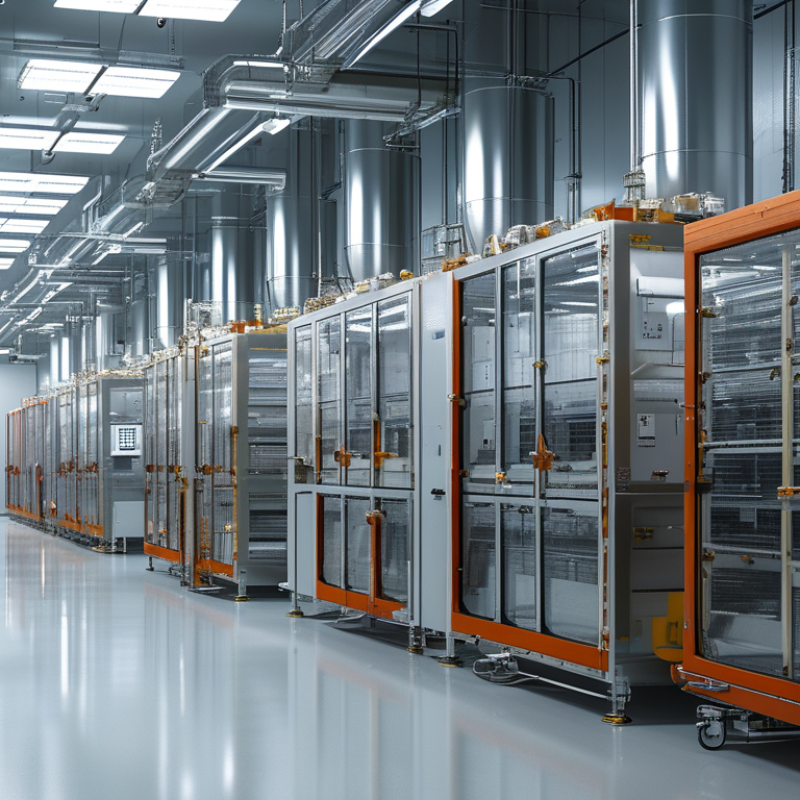
Clean rooms play a critical role in maintaining product quality across various industries. In environments where contamination can jeopardize results, clean rooms help control the conditions effectively. These specialized spaces minimize dust, particles, and microbial presence, ensuring that products remain uncontaminated throughout the production process. Industries such as pharmaceuticals and semiconductors heavily rely on clean rooms to produce high-quality outcomes.
One important aspect of maintaining a clean room is regular monitoring. Establish strict protocols for air quality, temperature, and humidity. Use advanced filtration systems and maintain them consistently. Remember, even a small lapse can lead to significant issues. It’s crucial to conduct frequent inspections and ensure compliance with cleanliness standards.
Another key factor is employee training. Staff should be well-versed in clean room protocols. Proper gowning procedures and hygiene practices are essential for reducing potential contamination. Regular training sessions will help reinforce these habits and keep everyone accountable. Continuous improvement is vital in fostering an environment where quality thrives.
Understanding Contamination Sources in Production Environments
Contamination sources in production environments can be varied and often unexpected. Dust particles, airborne microorganisms, and even human activity contribute to the risk of contamination. For example, a simple act of opening a door can bring in dust and other contaminants. Understanding these sources is essential for maintaining high standards in production processes, especially in sensitive industries like pharmaceuticals and electronics.
Dirt and oils from worker hands can introduce contaminants to products. Implementing strict hygiene protocols can help minimize this risk. Regular training for staff on proper cleanroom protocols is crucial. It's not just about having a clean space; it's about consistently enforcing these practices.
Creating designated entry points can help control contamination. Using air showers or airlocks limits the transfer of particles into clean areas. Identifying high-traffic zones is vital. These are often the areas most at risk. Reflecting on your current practices can reveal new opportunities for improvement in contamination control. Consider auditing your processes regularly to adapt and enhance your contamination prevention strategies.
Why Are Clean Rooms Essential for Your Production Process?
| Contamination Source |
Impact on Production |
Prevention Method |
Recommended Clean Room Class |
| Dust Particles |
Can cause product defects |
Regular air filtration and cleaning |
Class 10,000 |
| Chemical Vapors |
May react with materials |
Use of fume hoods and scrubbers |
Class 1,000 |
| Biological Contaminants |
Can lead to product contamination |
Sanitation protocols and sterile equipment |
Class 10 |
| Human Particulates |
Can introduce microbes and particles |
Use of gowns and personal hygiene standards |
Class 100 |
| Static Electricity |
Can damage sensitive components |
Use static control measures |
Class 10 |
Key Industries That Rely on Clean Room Standards for Compliance
Clean rooms are vital in various industries where contamination can threaten product quality. In the pharmaceutical sector, for example, stringent clean room standards ensure medications are free from impurities. This is crucial when developing life-saving drugs that must meet strict regulations. Even a tiny particle can compromise a batch.
The electronics industry also heavily relies on clean environments. Microchips and circuit boards are manufactured with exacting standards. Contaminants can lead to failures in electronic devices, affecting performance and safety. Here, the need for cleanliness is evident. Each particle may disrupt the delicate processes involved in production.
In biotechnology, clean rooms protect sensitive biological materials. The growth of cultures or development of bio-based products requires a contamination-free environment. Even minor lapses can result in failed experiments or harmful products entering the market. Facilities must continually evaluate their processes. Maintaining compliance is an ongoing challenge that requires constant vigilance.
Statistical Impact of Clean Room Practices on Defect Rates
Clean rooms play a vital role in controlling the environment during production processes. Contaminants such as dust and bacteria can significantly impact product quality. The correlation between clean room practices and defect rates has been heavily documented. Companies often notice a marked decrease in defects when implementing stricter clean room protocols. In high-stakes industries like pharmaceuticals or electronics, even a minor defect can lead to major setbacks.
Maintaining low defect rates requires diligence and attention to detail. A clean room must be regularly monitored for particle counts and airflow. Employees should receive training on best practices to mitigate contamination risks. Regular audits help ensure compliance with clean room standards, preventing any lapses that could lead to increased defects. Investing in proper filtration systems further reduces airborne particles.
Over-reliance on technology can lead to complacency. While equipment plays a key role, human oversight remains critical. Encourage staff to perform routine checks, even if the machines indicate all is well. Feedback from frontline workers can highlight areas needing improvement. Regularly reviewing clean room data allows teams to address trends, adjusting protocols as necessary to maintain product integrity.
Statistical Impact of Clean Room Practices on Defect Rates
Cost-Benefit Analysis of Investing in Clean Room Technologies
Investing in clean room technologies can seem costly at first glance. Yet, the long-term benefits often outweigh the initial expenses. Clean rooms maintain controlled environments. They minimize contamination and enhance product quality. This leads to fewer product recalls and waste, ultimately saving money.
Moreover, clean rooms can enhance operational efficiency. Workers are less likely to face exposure to harmful substances. This can lead to lower health-related costs. Training employees in clean room protocols improves overall safety and responsibility. When employees feel secure, productivity increases.
However, there are challenges to consider. Setting up a clean room requires significant upfront investment. Ongoing maintenance costs can also add up. Companies must weigh these factors carefully. Regular evaluations can help determine if the benefits truly justify the costs. Reflection on current processes may reveal opportunities to improve and innovate.