Why Clean Rooms Are Essential for a Healthy Environment?
Clean rooms are critical for maintaining a healthy environment across various industries. Contaminants in the air can lead to significant challenges, particularly in sectors like pharmaceuticals and electronics. According to a report by the Institute of Environmental Sciences and Technology, clean rooms can reduce contamination levels by 99.99%. This statistic emphasizes their importance in ensuring product quality and safety.
However, the implementation of clean rooms requires substantial investment. Many organizations struggle with the high operational costs and maintenance involved. Balancing these costs with the need for a contamination-free environment is a complex issue. Companies must also ensure that staff are trained to maintain clean room standards. A lapse in protocol could undermine years of investment in cleanliness.
Moreover, as technology advances, the standards for clean rooms continue to evolve. This ongoing change can create confusion and uncertainty. Businesses often must adapt quickly to stay compliant. The need for clean rooms reflects a growing awareness of health and safety, highlighting both the necessity and the challenges they present.
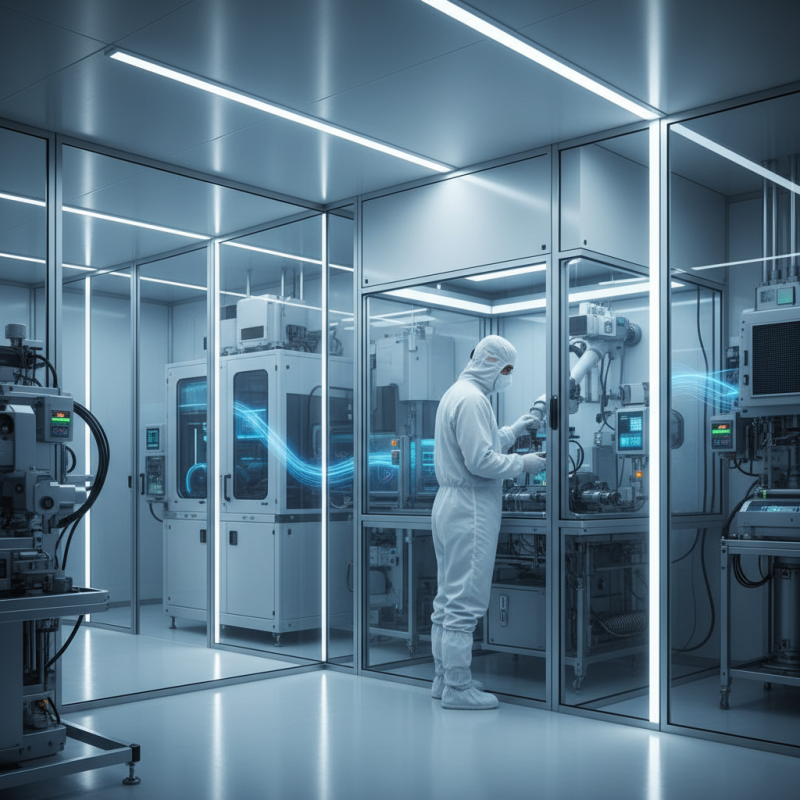
The Importance of Clean Rooms in Healthcare Settings: A Statistical Overview
Clean rooms play a crucial role in healthcare environments. These controlled spaces minimize contamination. A sterile atmosphere prevents infections. Hospitals often struggle with bacteria spread. A study shows that 30% of healthcare-associated infections are linked to inadequate cleaning.
Air quality is vital in clean rooms. Filters are used to trap particles and pathogens. This decreases the chance of respiratory issues for both patients and staff. However, not all clean rooms meet stringent standards. Random checks reveal inconsistencies in maintenance. Sometimes, corners are cut in cleaning processes.
Training staff is essential. They need to understand protocols thoroughly. Without proper education, even the best facilities may fail. Human error remains a significant risk. Having a clean room is not just about appearance; it's about safeguarding lives. While progress has been made, ongoing vigilance is necessary.
Impact of Clean Room Technologies on Infection Control Rates
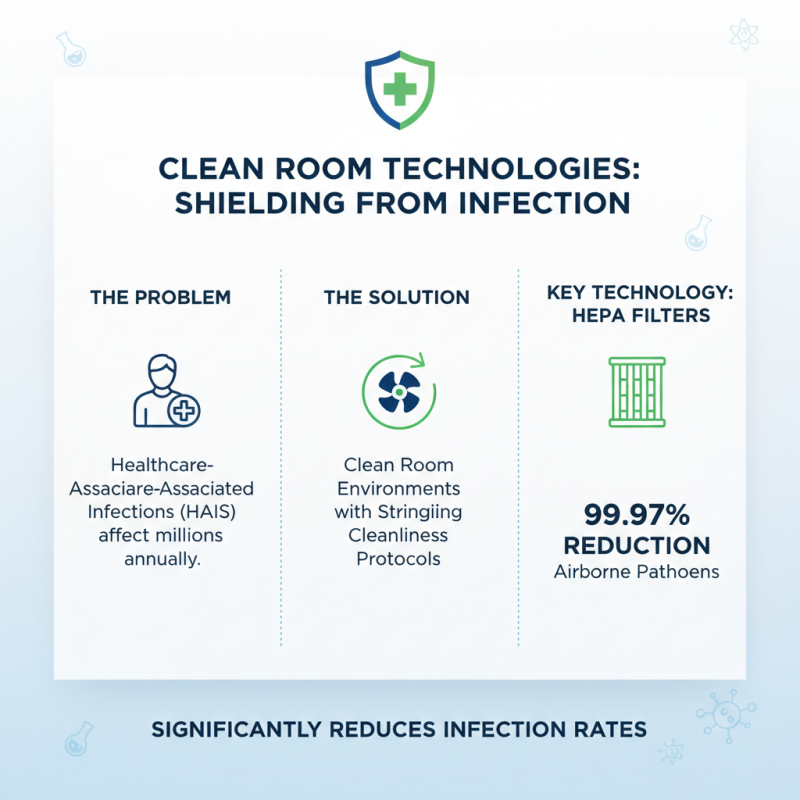
Clean room technologies play a crucial role in infection control. Research shows that environments with stringent cleanliness protocols reduce infection rates significantly. For example, studies indicate that clean rooms equipped with HEPA filters can lower airborne pathogen levels by up to 99.97%. This reduction helps in preventing healthcare-associated infections, which affect millions every year.
Moreover, the implementation of clean room standards can lead to better surgical outcomes. A review published in a medical journal highlighted a 30% decrease in post-surgical infections in operating rooms employing clean room principles. These technologies ensure that both personnel and instruments are protected from contaminants. Yet, maintaining these environments is challenging. Regular monitoring and calibration of equipment must occur to retain their effectiveness.
Despite advancements, the reality is that not all facilities comply with clean room regulations. A recent report showed that 15% of healthcare facilities lack proper air filtration systems. This gap increases infection risk. Continuous education and investment are key for improving compliance and ensuring patient safety in clean room environments. Emphasizing the need for regular assessments can bridge this critical divide in infection control rates.
Air Quality Standards and Their Role in Maintaining Clean Environments
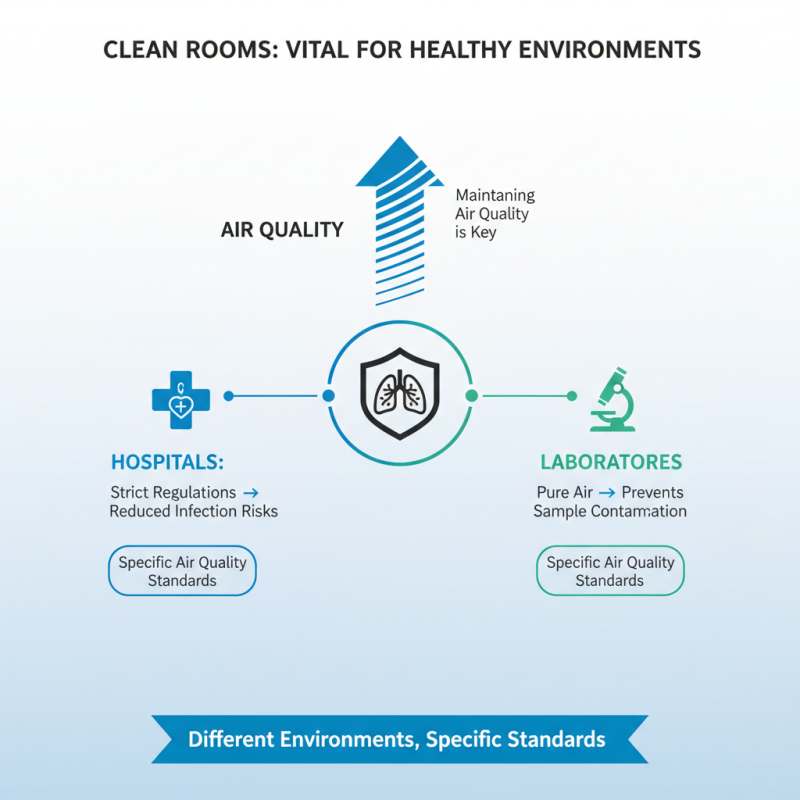
Clean rooms are vital for a healthy environment. Maintaining air quality is key to achieving this goal. Different environments require specific air quality standards. For hospitals, strict regulations help reduce infection risks. In laboratories, clean air prevents contamination of sensitive samples.
Tips: Regularly check air filters. Clean filters ensure better airflow and reduce pollutants.
Testing air quality can highlight issues that need attention. High levels of dust or pollutants can affect health. Maintaining humidity is also important. Too much moisture can lead to mold growth, while too little can cause dryness and discomfort.
Tips: Use a hygrometer to monitor humidity levels. Keeping it between 30% and 50% creates comfort and safety.
Creating a clean environment is an ongoing task. Even minor lapses can lead to problems. Frequent cleaning routines and quality checks make a difference. Remember, it’s about small, consistent actions that contribute to overall well-being.
Economic Benefits of Investing in Clean Room Infrastructure
Clean rooms are more than just sterile spaces. They play a crucial role in various industries, especially in pharmaceuticals and electronics. Investing in clean room infrastructure can lead to significant economic benefits. A report from the International Institute of Cleanroom Technology estimates that companies can save up to 20% on quality control measures by maintaining proper clean room standards. This reduction in defects leads to fewer recalls and legal issues.
Furthermore, clean rooms enhance productivity. Teams work more efficiently in controlled environments. Productivity can increase by as much as 15% when employees are shielded from contaminants. A cleaner workspace often translates to lower employee turnover rates. Workers feel safer and healthier, reflecting positively on overall morale.
However, the initial investment can be daunting. Building and maintaining clean rooms require substantial capital. Yet, it is essential to weigh these costs against potential long-term savings. Many firms underestimate ongoing maintenance costs. Neglecting this can lead to contamination, resulting in losses that far exceed initial expenses. Reflecting on infrastructure choices is vital for sustainability and success.
Why Clean Rooms Are Essential for a Healthy Environment? - Economic Benefits of Investing in Clean Room Infrastructure
| Dimension |
Data |
| Air Quality |
99.99% filtration efficiency |
| Temperature Control |
Maintained within ±1°C |
| Humidity Levels |
Controlled at 30%-50% |
| Energy Consumption |
20% reduction through optimization |
| Compliance Standards |
ISO 14644-1 certification |
| Operational Cost Savings |
Up to 30% due to reduced contamination |
| Personnel Training |
Regular training biannually |
| Equipment Lifespan |
Extended by 25% in clean environments |
Best Practices for Maintaining Clean Room Standards in Various Industries
Clean rooms play a vital role in ensuring a healthy environment across various industries. These controlled spaces help to maintain low levels of pollutants, such as dust, airborne microbes, and chemical vapors. Industries like pharmaceuticals and electronics rely on strict clean room standards to protect their products and processes.
To maintain clean room standards, regular cleaning and disinfection are crucial. High-touch areas must be wiped down frequently to avoid contamination. Air filters should be replaced regularly to keep airflow consistent. Training staff on best practices is equally important. Employees should understand the importance of personal hygiene and proper gowning procedures before entering a clean room.
Here are some key tips. Always keep surfaces free of clutter. This helps in reducing potential contamination. Conduct regular audits to ensure compliance with clean room regulations. Also, have a plan for addressing any breaches in cleanliness. It is essential to reflect on these processes because, despite best efforts, lapses can occur. Adopting a proactive approach can significantly improve overall clean room management.
Importance of Clean Rooms in Various Industries