How to Choose the Best Wall Boards for Your Home Improvement Project?

When embarking on a home improvement project, choosing the right wall boards is essential. The wall board industry has seen significant growth, with a projected CAGR of 5% over the next five years. This reflects increasing demand for aesthetically pleasing and functional interior options. According to industry expert Dr. Emily Carter, “ selecting the right wall boards can transform your space and add substantial value to your home.”

Homeowners often face confusion when exploring the multitude of options available. There are various materials, from drywall to plywood, each with distinct characteristics. A poorly chosen wall board can lead to issues like moisture retention or poor insulation. These factors can ultimately affect the comfort and longevity of the indoor environment.

Considering the purpose of the space is crucial. For example, bathrooms require moisture-resistant boards, while living spaces might benefit from soundproof options. Reflecting on personal needs is vital. Think about aesthetics, durability, and specific requirements when making a decision. This process is not just about function; it’s an opportunity to create a home that truly reflects personal style.
How to Choose the Best Wall Boards for Your Home Improvement Project?

Understanding Different Types of Wall Boards for Home Use
How to Choose the Best Wall Boards for Your Home Improvement Project?

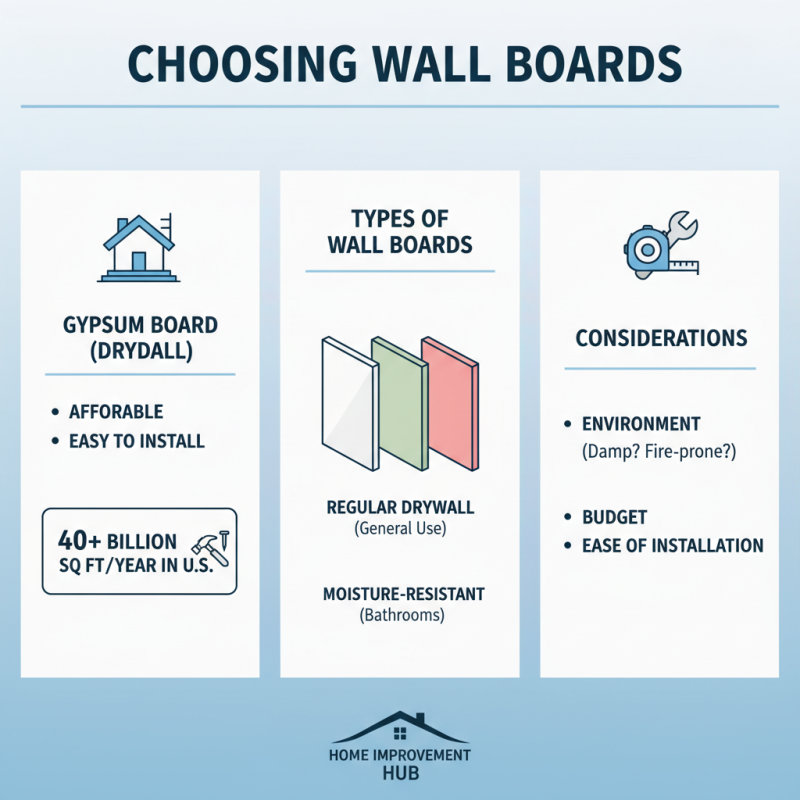
When you're tackling a home improvement project, choosing the right wall boards is crucial. Various types are available, each suited for different environments and needs. Gypsum board, often known as drywall, is popular due to its affordability and ease of installation. According to the Gypsum Association, over 40 billion square feet of drywall is installed in America each year, highlighting its widespread use.

Another option is cement board, ideal for areas exposed to moisture, like bathrooms. It’s more durable and resistant to mold. A study from the National Association of Home Builders indicates that homes with moisture-resistant materials report 30% fewer concerns about mold. However, while cement board is robust, handling and installing it can be challenging.

Plywood and OSB boards are worth considering for structural applications. These provide strength but can be less forgiving during installation. Precision is critical here. Misalignment can lead to a range of issues, from aesthetic flaws to structural weaknesses. When selecting wall boards, careful evaluation of the environment and the specific requirements is essential. Always weigh the long-term implications of your choice. It's a decision that cannot be taken lightly.

Evaluating Material Durability and Aesthetics for Your Project

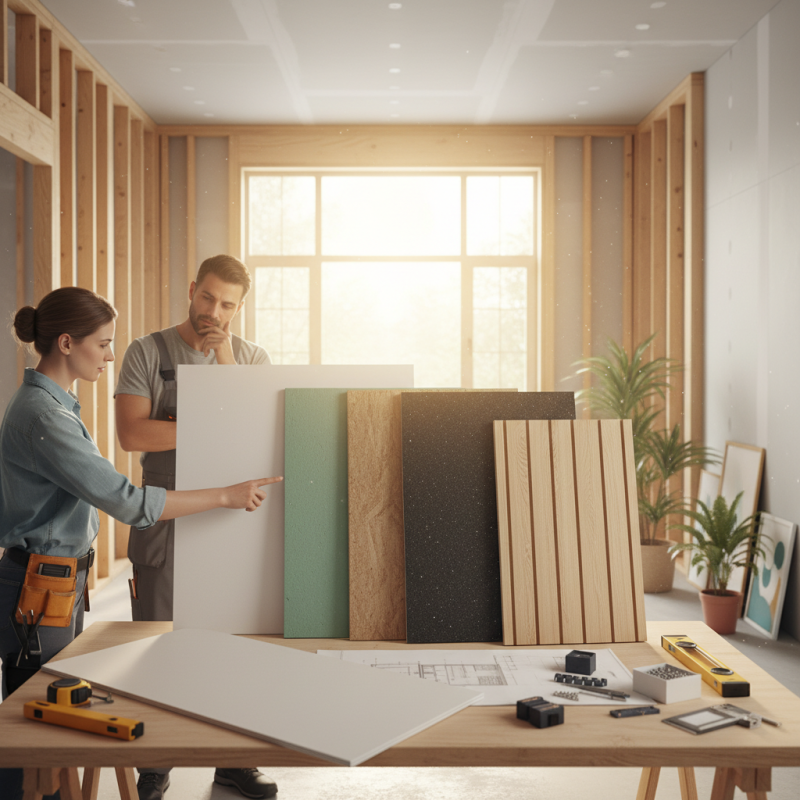
When selecting wall boards for home improvement, consider both durability and aesthetics. Different materials offer various strengths. For instance, plywood is sturdy but might lack visual appeal. On the other hand, drywall provides a smooth finish but can be less resilient. Assessing where you will use these boards is vital. High-moisture areas need durable options.

Aesthetics play a crucial role too. Paintable wall boards can change a room's vibe quickly. Try different textures or colors to find what suits your style. Remember, not every choice will yield perfect results. Sometimes the vision in your head may not translate well to reality. Light colors may seem clean but show dirt easily. You might think a bold design will stand out, but it could overwhelm the space. Reflect on these aspects before making a final decision.

Assessing Cost-Effectiveness and Budget Considerations

When considering wall boards for your home improvement project, budget is crucial. You want to balance quality and cost. Start by assessing the costs of different materials. Some options may appear cheaper, but hidden expenses can arise later. For instance, installation costs and maintenance should not be overlooked. Sometimes, investing a bit more upfront can save you money in the long run.

Think about your personal needs. Do you live in a humid area? Some materials resist moisture better. However, they may cost more initially. It's a good idea to weigh these factors against your budget. Visualize the space and how much you're willing to spend. Sometimes, you may be tempted to choose a trendy, expensive option, only to realize it doesn't suit your style or functional needs. Reflect on this choice carefully.

Remember, a wall board is not just a surface; it's a part of your home. Consider how it fits into your overall plan. Your vision may evolve as you explore different pricing options. Discuss with family or friends for more perspectives. This can help refine your choices. Stay mindful of your budget, but also trust your instincts. Balancing cost-effectiveness with personal style can lead to a satisfying outcome.

Identifying Specific Use Cases: Moisture, Fire, and Insulation Needs

Choosing the right wall boards requires attention to specific use cases. For areas prone to moisture, like bathrooms or kitchens, moisture-resistant boards are essential. These boards are often made from materials that prevent mold growth. However, poorly installed boards can still absorb moisture over time. It’s vital to ensure proper sealing and ventilation in these spaces.

Fire resistance is another crucial factor. Boards rated for fire safety can help protect your home and provide peace of mind. These are often used in areas where fire hazards are higher. Yet, they may not be foolproof. Regular inspections and maintenance can help detect potential risks. Consider using these boards in kitchens and near fireplaces.

Insulation needs should also influence your choice. Insulated wall boards can enhance energy efficiency. They help keep your home warm in winter and cool in summer. However, they may require additional framing. This could complicate your renovation project. Be prepared to adjust your plans and budget accordingly, ensuring optimal performance.

Choosing the Right Installation Method for Your Renovation Goals

Choosing the right installation method is crucial for a successful renovation project. Many homeowners overlook this step. The wrong approach can lead to wasted time and money. According to a report by the National Association of Home Builders, improper installation is a leading cause of renovation dissatisfaction. It accounts for up to 30% of renovation issues.

Consider your specific renovation goals. Are you looking for quick installation or long-term durability? Traditional methods, like nailing, can be slower. They require more skill and may lead to imperfections. On the other hand, adhesive systems offer faster results. But they might not hold up under certain conditions. A study from Remodeling Magazine highlighted that nearly 50% of homeowners prefer quicker installation methods, even if they sacrifice some durability.

A home improvement project is a personal journey. The right installation method should align with your needs. Some may choose a DIY approach for cost savings. Others might hire professionals for quality assurance. Both paths have their challenges. Reflecting on your goals will help navigate these choices. Don't rush; take time to evaluate your options for the best outcome.

^