Choosing the Best Ceiling Trim for Your Home in 2026?
Choosing the best ceiling trim can significantly enhance your home's aesthetic. Ceiling trim is the finishing touch that defines a room's character. In 2026, many homeowners will explore diverse options. There are traditional styles, such as crown molding, that add elegance. Modern designs often feature minimalistic lines that create a contemporary feel.
Selecting the right ceiling trim involves careful consideration. Color, material, and scale play crucial roles. Bright white trims can open up a space, while darker shades add warmth. Wood, plaster, and PVC are popular material choices. Each has its unique look and maintenance requirements.
However, many may overlook the importance of ceiling trim. It's easy to focus solely on walls or furniture. Yet, a well-chosen ceiling trim can tie a room together or highlight architectural features. Reflecting on how trim interacts with your design can lead to surprising insights. Do not rush this decision; it deserves thoughtful consideration.

Factors to Consider When Choosing Ceiling Trim Materials
When selecting ceiling trim for your home in 2026, several factors come into play. One major consideration is the material. Wood remains popular for its aesthetic appeal and insulation properties. However, a report by the National Lumber and Building Material Dealers Association reveals that synthetic materials are catching up. They offer durability, lower maintenance, and resistance to moisture. Simultaneously, wood requires regular upkeep, which can be time-consuming.
Another factor is style compatibility. The trim should match your interior design. A survey by the American Institute of Architects indicates that contemporary styles have risen in preference by 20% since 2021. Hence, streamlined profiles are in demand, favoring modern homes. Not every trim suits every style, and mismatches can make a space feel cluttered. Many homeowners must reevaluate their choices, comparing aesthetics with practicality. Ultimately, selecting the right trim is about striking a balance and ensuring it serves the intended function while enhancing beauty.
Popular Ceiling Trim Styles for Modern Homes in 2026
In 2026, ceiling trim styles are evolving, catering to modern tastes. Minimalism remains a strong influence. Sleek and simple designs take center stage. White or light-colored trims enhance open spaces. They make rooms feel brighter and larger.
Traditional crown molding is still loved. However, it is simpler now. Many opt for straight lines instead of intricate patterns. This gives a contemporary feel while maintaining elegance. Bold colors can be a daring choice. They add personality to a room, but could overwhelm if not balanced well.
Tips: Consider the size of your space. Larger rooms can handle more ornate designs. Smaller rooms benefit from simpler trims. Always keep your overall decor in mind. Mixing different styles can create tension. Use a consistent color palette for harmony.
Choosing the Best Ceiling Trim for Your Home in 2026? - Popular Ceiling Trim Styles for Modern Homes in 2026
| Trim Style |
Material |
Color Options |
Installation Complexity |
Average Cost (per foot) |
| Crown Molding |
Wood, MDF |
White, Cream, Oak |
Moderate |
$3 - $8 |
| Cove Molding |
Polyurethane, PVC |
White, Black, Custom |
Easy |
$2 - $5 |
| Chair Rail |
Wood, MDF |
White, Pastel Colors |
Moderate |
$2 - $4 |
| Beadboard |
Vinyl, Wood |
White, Natural Wood |
Moderate to Difficult |
$3 - $6 |
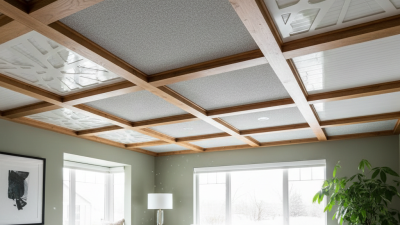
| Coffered Ceiling |
Wood |
Stained, Painted |
Difficult |
$10 - $20 |
How to Measure Your Ceiling for Accurate Trim Installation
Measuring your ceiling for trim installation requires attention to detail. Begin by using a reliable measuring tape. Measure the length and width of the ceiling. Write down each measurement to avoid errors later.
Tips: Always measure twice before cutting. This simple step can save you from costly mistakes. It's easy to misplace numbers. Keep your notes clear and in one place.
Next, focus on corners. Measure from the wall to the ceiling edge. Corners can be tricky, so double-check your angles. Use a square tool for accuracy. Sometimes, walls are not perfectly straight. This can complicate your trim installation.
Tips: Consider using a helper. They can hold the other end of the tape. Having an extra set of hands may prevent awkward reaches. Remember, don’t rush this part. The right measurements lead to better results.
Tips for Painting and Finishing Ceiling Trim Effectively
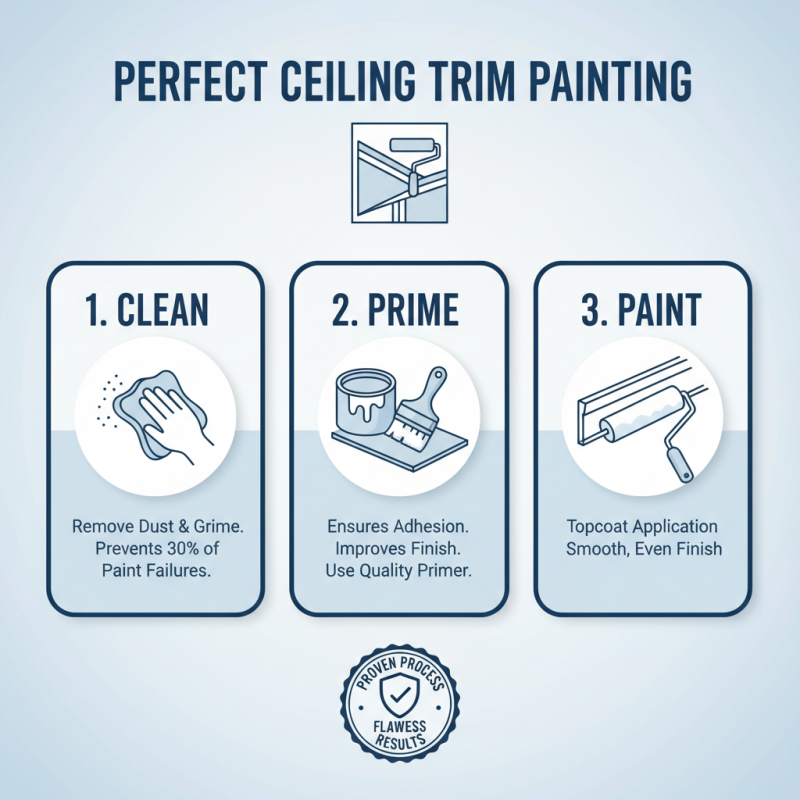
When painting ceiling trim, preparation is crucial. Start with cleaning the surface thoroughly. Dust and grime can affect paint adhesion. According to industry statistics, nearly 30% of all paint failures are due to poor surface preparation. After cleaning, it’s wise to apply a primer. This ensures the topcoat adheres well and impacts the final look. Choose a high-quality primer that suits the trim material.
Select the right finish for your ceiling trim. A semi-gloss or gloss finish can create an appealing contrast against matte walls. Reports indicate that gloss finishes are preferred in 65% of homes for trim work in 2026. However, be cautious as glossy finishes can amplify imperfections. It’s essential to sand the trim lightly after priming. This process can smooth out rough patches, leading to a more polished outcome.
In the application phase, use a high-quality brush or roller. Accuracy matters, especially in corners and along edges. An uneven coat will detract from the overall aesthetic. Timing is important. Allow adequate drying time between coats. This may seem tedious but is necessary to avoid peeling. A common mistake is rushing this step, leading to unsatisfactory results.
Maintaining and Caring for Your Ceiling Trim Over Time
Caring for your ceiling trim is essential for maintaining its beauty and integrity. Over time, dust, moisture, and sunlight can wear down the finish. A report by the National Association of Home Builders indicates that well-maintained trim can last decades. Regular cleaning can prevent grime buildup. Use a microfiber cloth and mild detergent for light cleaning. Pay special attention to corners where dust tends to accumulate.
Moisture is another enemy of ceiling trim. In areas prone to humidity, such as kitchens and bathrooms, consider using a water-resistant finish. A survey found that 30% of homeowners faced issues due to improper sealing. Inspect your trim periodically for signs of damage. Early intervention can save time and money down the road. When you notice peeling paint or cracks, it's time to take action. Routine maintenance can prolong the life of your trim and enhance your home's overall aesthetic.