How to Choose the Right Plastic Panels for Your Project?
Selecting the right plastic panels for your project can be daunting. According to industry expert Dr. Jane Mitchell, "Choosing the right plastic panel is crucial for durability and aesthetics." Her insight highlights the importance of material selection. Various types of plastic panels are available, each with unique properties.
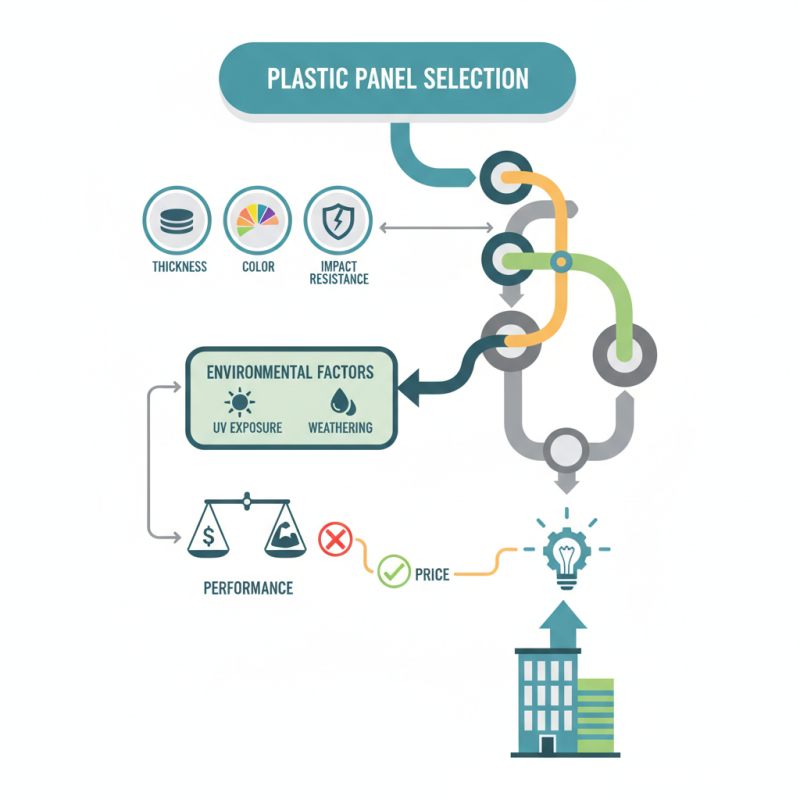
Thickness, color, and resistance to impact are key factors to consider. Have you thought about how different environments affect your choice? UV exposure can degrade some materials over time, leading to unexpected costs. This often overlooked aspect can impact your project’s longevity and appearance.
Many people rush through this decision. They might focus solely on price and forget to assess performance. Poor choices can result in panels that do not meet expectations. Reflecting on these factors will lead to better outcomes. Make informed decisions about plastic panels to ensure your project shines.
Understanding Different Types of Plastic Panels Available in the Market
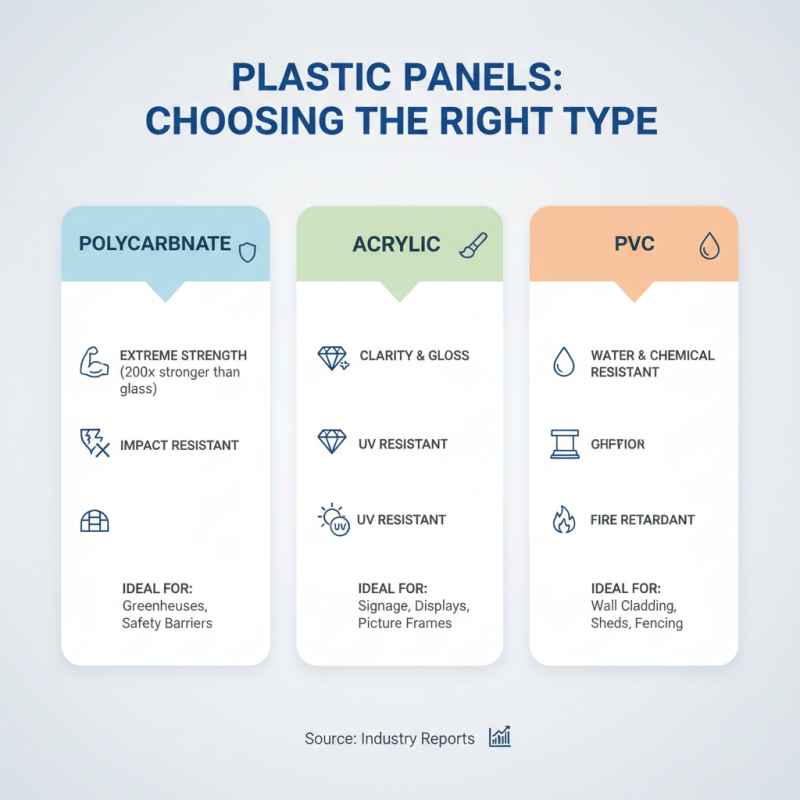
Choosing the right plastic panels for your project involves understanding the various types available in the market. Polycarbonate, acrylic, and PVC are among the most commonly used materials. According to industry reports, polycarbonate panels are nearly 200 times stronger than glass and have excellent impact resistance. These panels are ideal for applications requiring durability, such as in greenhouses or safety barriers.
Acrylic, on the other hand, offers superior clarity and is lighter than glass. It's a popular choice in signage and display cases. However, it may not withstand extreme conditions as well as polycarbonate. Interestingly, about 30% of industries still opt for traditional materials, often overlooking the advantages of modern plastics. This indicates a gap in knowledge or possible reluctance to change, which can be a barrier to optimal project outcomes.
PVC panels are known for their ease of installation and maintenance. They resist corrosion, making them suitable for outdoor use. Yet, they can be brittle in colder climates, leading to challenges. A study found that many users only consider cost without fully evaluating performance characteristics. This reflective point underscores the importance of understanding material properties beyond the price tag.
Key Factors to Consider When Choosing Plastic Panels for Your Project
When selecting plastic panels for your project, it’s crucial to weigh several key factors. Consider the environment where the panels will be installed. Will they face harsh weather? High humidity or exposure to UV rays? For outdoor use, opt for panels treated for durability. Indoor panels might not need the same level of toughness.
Another aspect to examine is the panel thickness. Thicker panels may offer better insulation and durability, but they can be harder to install. If your project requires precise cuts, thinner panels are easier to manage. Reflect on your skills; a more challenging installation could lead to frustration.
Lastly, evaluate the design and color options available. A suitable aesthetic can elevate your project. Bright colors can enhance visibility, while muted tones provide elegance. However, consider maintenance as bright colors may fade faster and require upkeep. Take your time to reflect on these factors before making a decision.
How to Choose the Right Plastic Panels for Your Project? - Key Factors to Consider When Choosing Plastic Panels for Your Project
| Factor |
Description |
Applications |
Cost |
| Thickness |
Indicates the durability and weight-bearing capacity. |
Signage, barriers |
$5 - $15 per sq ft |
| UV Resistance |
Ability to withstand sun exposure without degrading. |
Outdoor applications, greenhouses |
$10 - $20 per sq ft |
| Transparency |
Level of light transmission through the panel. |
Windows, skylights |
$7 - $25 per sq ft |
| Impact Resistance |
Ability to withstand physical stress without breaking. |
Safety windows, industrial uses |
$8 - $18 per sq ft |
| Chemical Resistance |
Resistance to solvents, acids, and other chemicals. |
Laboratories, chemical plants |
$12 - $22 per sq ft |
Evaluating the Durability and Maintenance Requirements of Plastic Panels
When selecting plastic panels, durability is a key factor. Different types of plastic provide varying levels of resistance to impact, UV light, and weather conditions. For outdoor projects, choose panels that can withstand harsh environments. Look for products with a high rating for UV resistance. This ensures the color won’t fade quickly. However, it is important to note that even the best panels require time to settle.
Maintenance is another important consideration. Some plastic panels need regular cleaning to maintain their appearance. Others may be more resistant to dirt and grime. Check the manufacturer’s guidelines for recommended cleaning methods. Sometimes, the easiest-to-maintain options might not be as durable. It can create a difficult choice. Weigh the pros and cons carefully. Ensure the decision aligns with your specific project needs and future maintenance plans. This thoughtful approach can lead to a more satisfying outcome.
Comparing Cost-Effectiveness of Various Plastic Panel Options
When choosing plastic panels, cost-effectiveness is crucial. A recent industry report highlighted that polycarbonate panels can provide excellent value. These panels, while initially more expensive, tend to last longer than others. Their lifespan can exceed 10 years, significantly reducing replacement costs over time.
A comparison of acrylic and polyvinyl chloride (PVC) reveals some interesting findings. Acrylic panels are lighter and provide superior clarity. However, they can be about 20% more expensive than PVC options. Yet, given their durability and resistance to yellowing, many projects may benefit from the investment. In contrast, PVC panels are often cheaper and easier to handle. They tend to be less resilient against certain environmental factors.
It's important to consider both upfront costs and long-term benefits. Depending on your project, the cheaper option might leave you needing replacements sooner. This data serves as a reminder: don’t always go with the lowest priced option. Weighing costs against performance and lifespan can lead to more informed decisions. Sometimes, buying cheaper can mean spending more in the long run.
Assessing Aesthetic Options and Customization for Plastic Panels
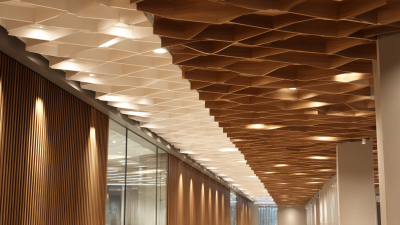
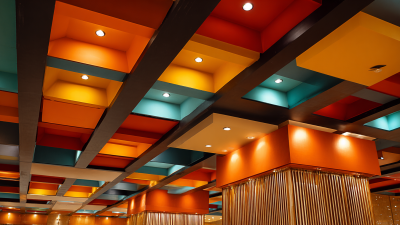
When selecting plastic panels for your project, aesthetics play a crucial role. The color, texture, and finish can greatly influence the overall look. Manufacturers offer a range of colors, from vibrant hues to subtle tones. Consider how the chosen colors will fit within your space. Will they be a focal point or seamlessly blend in? Texture is equally important. Smooth surfaces can create a sleek appearance, while textured finishes add depth.
Customization options are also essential. Many suppliers provide the ability to tailor panel sizes and shapes. This flexibility can help achieve a perfect fit for unique projects. However, customization may lead to unexpected challenges. Keep in mind that not all designs may be practical. Some ideas may look great on paper but might not work in real life. Allow room for adjustments in your plans, and be prepared to refine your selections as needed.
Additionally, it’s worth considering lighting effects on panels. Natural light can change how colors appear throughout the day. Test samples in different conditions before making a final decision. Sometimes, what seems ideal in the store might look very different in your setting. Trust your instincts, but remember to remain open to alternatives. The path toward the ideal aesthetic can be tricky but ultimately rewarding.