How to Choose the Best Waterproof Panels for Your Project?
Choosing the right waterproof panels for your project can be daunting. John Smith, a leading expert in building materials, once said, “The right panels can make or break a design.” Indeed, selecting suitable waterproof panels is critical for both aesthetics and durability. These panels are essential in areas exposed to moisture, like bathrooms or kitchens.
When considering waterproof panels, you must factor in various elements. Think about the materials, finishes, and installation methods. Not all waterproof panels are created equal; some may not withstand heavy use over time. For example, some cheaper options may promise waterproof qualities but can fail under long-term moisture exposure. It’s important to weigh the options carefully.
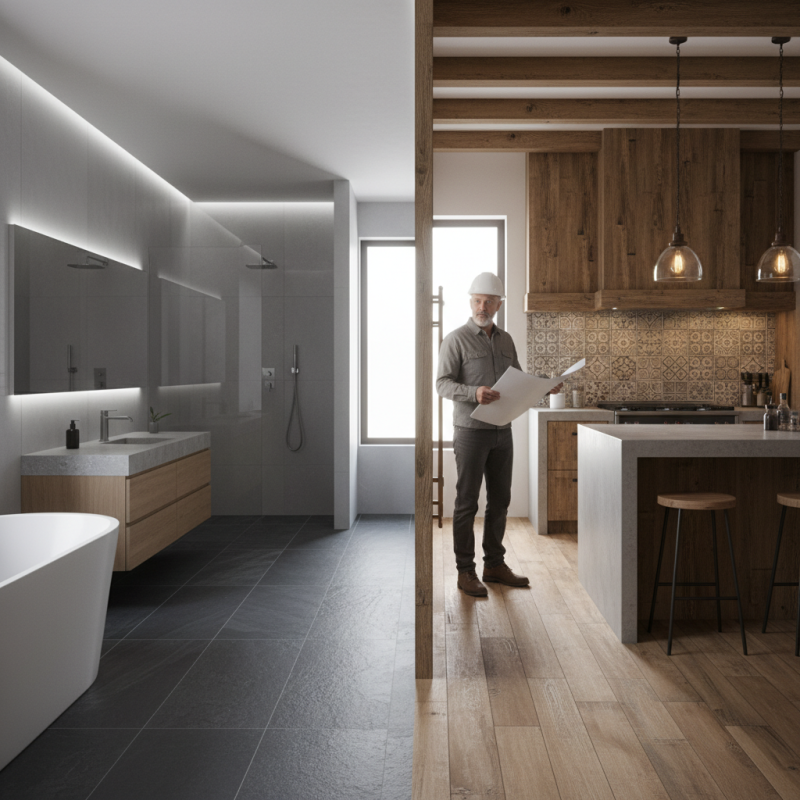
Visualize your project. Will it be a sleek modern space, or a cozy rustic style? The choice of waterproof panels can influence the entire vibe of your project. Remember that the best waterproof panels are those that not only serve their purpose but also enhance the overall design. Reflect on your choices, ensuring they align with your vision and needs.
Understanding Waterproof Panels: Types and Materials
When selecting waterproof panels, understanding the types and materials is crucial. There are various types of waterproof panels, including PVC, fiberglass, and foam core constructions. PVC panels are lightweight and resistant to chemicals, making them suitable for harsh environments. However, they may not withstand high temperatures well.
Fiberglass panels offer superior strength and durability. They also resist mold and mildew. Data shows that fiberglass panels can last up to 30 years with proper maintenance. Conversely, foam core panels are excellent for insulation but may lack durability in high-stress areas. Their lightweight nature makes them easier to install but raises concerns about impact resistance.
Another aspect is the manufacturing process. Panels can be extruded, laminated, or molded, each affecting overall performance. The right choice depends on specific project needs. Sometimes, makers cut corners, leading to quality concerns. This focus on cost might compromise the panel's long-term effectiveness. Always prioritize quality over price. Analyze performance data and real-world reports to make an informed choice.
Waterproof Panels Comparison: Material Types and Durability
Evaluating Waterproof Ratings and Standards for Panels
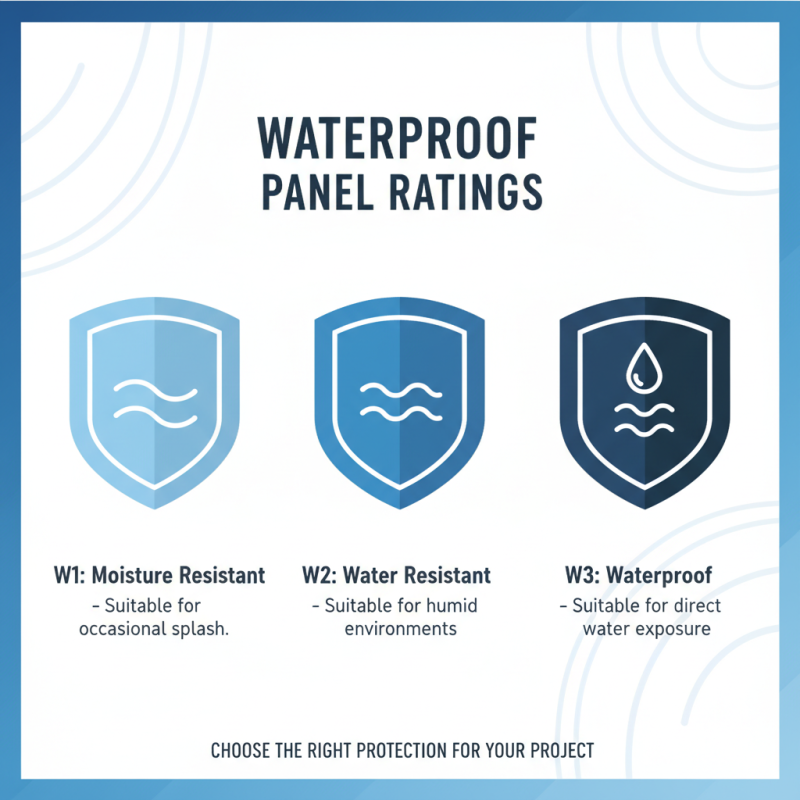
When choosing waterproof panels for your project, understanding waterproof ratings is essential. Look for panels with standardized ratings that indicate their resistance to moisture. Most panels use classifications like W1, W2, or W3, each representing different levels of water resistance. Knowing these grades helps you select appropriate materials that meet your project needs.
Consider the environment where the panels will be used. A panel rated for light moisture might struggle in a high-humidity area. In contrast, a higher-rated panel might be excessive for a dry environment. This mismatch could lead to unnecessary costs or inadequate protection. Always evaluate the specific conditions and potential water exposure, and consult relevant standards that apply to your region. Testing methods are also important. Some panels undergo rigorous testing while others may rely on manufacturer claims.
Using panels with unclear ratings can result in issues down the line. Wet environments require reliable solutions, not guesswork. You might find that some options provide great ratings but perform poorly in field tests. It's crucial to research and perhaps seek expert advice. Be willing to adapt and reassess your choices. Finding the right waterproof panels is about balancing ratings with practical application.
Assessing Durability and Maintenance Requirements
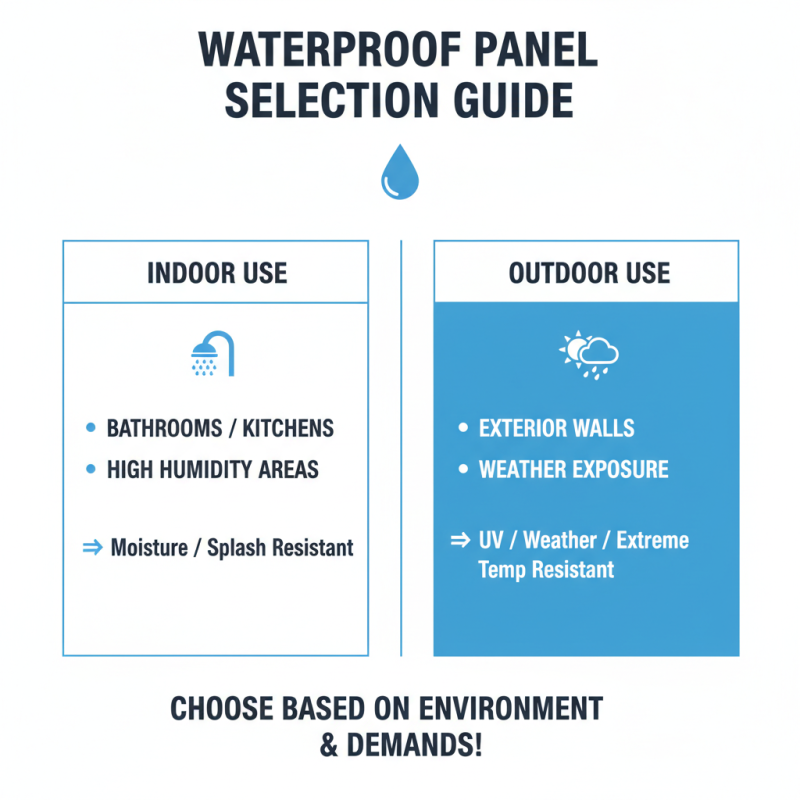
When selecting waterproof panels, durability is crucial. Different materials offer varying resilience levels. For instance, some panels resist warping, while others might degrade over time. It's essential to consider exposure conditions. Will the panels face harsh weather? Are they for indoor or outdoor use?
Maintenance requirements also play a significant role. Some materials need regular cleaning to maintain their effectiveness. Others might require special treatments or coatings. Think about how much time you can dedicate to upkeep. A high-maintenance option can lead to frustration down the line.
Evaluate your project’s specific needs. Sometimes, a cheaper option seems tempting but could lead to higher costs later. So, weigh the initial investment against long-term performance. Remember, what looks good now might not hold up well later.
Comparing Costs and Budget Considerations for Waterproof Panels
When selecting waterproof panels, cost is a major factor. Different materials offer varying price points, and aesthetic choices can impact your budget. For example, PVC panels might be less expensive upfront. However, they may need replacements sooner than more durable options. It’s crucial to assess the long-term value rather than just initial costs.
Additionally, installation expenses should be considered. Some waterproof panels require specific tools or professional help. This can increase the overall budget unexpectedly. Be mindful of hidden costs during your planning phase. A DIY approach can save money but may lead to mistakes if you're not experienced. Look for detailed installation guides or community advice to mitigate errors.
Lastly, consider your project's unique needs. Sometimes, cheaper panels may not be suitable for high-moisture areas. This decision could lead to more significant expenses down the line. Therefore, it’s wise to invest time researching all options. Being thorough now can prevent headaches later. Balancing quality and cost is key to making a smart choice.
How to Choose the Best Waterproof Panels for Your Project? - Comparing Costs and Budget Considerations for Waterproof Panels
| Panel Type |
Material |
Cost per Square Foot |
Thickness |
Durability Rating |
| PVC Panels |
Polyvinyl Chloride |
$3.00 |
4 mm |
Moderate |
| Fiberglass Panels |
Fiberglass Reinforced Plastic |
$4.50 |
3 mm |
High |
| Metal Panels |
Aluminum |
$5.00 |
2 mm |
Very High |
| Acrylic Panels |
Acrylic Sheet |
$6.00 |
5 mm |
Moderate |
| Wood Panels |
Plywood with Waterproof Coating |
$3.50 |
12 mm |
Moderate |