2026 How to Choose the Best Plastic Wall Panels for Your Needs?
Choosing the right plastic wall panels can greatly enhance your space. These panels provide aesthetic appeal while offering durability and functionality. Whether for a home or commercial project, the options can be overwhelming. Various factors influence your decision, including material quality, design, and purpose.
Consider the specific needs of your environment. For instance, waterproof panels work well in bathrooms or kitchens. On the other hand, decorative panels may be more suitable for living areas. Research from reliable sources is crucial to avoid common pitfalls. Not all plastic wall panels are equal; some may warp or fade over time.
Think about installation and maintenance as well. Some panels require professional help, while others allow for DIY installation. This choice impacts both costs and convenience. Reflecting on your priorities will guide you to the best option, ensuring your investment meets your needs for years to come.
Understanding Different Types of Plastic Wall Panels Available in the Market
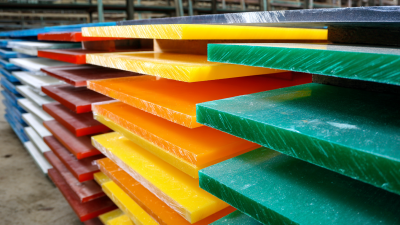
When exploring plastic wall panels, it's essential to understand the types available. Polyvinyl chloride (PVC) panels are popular for their durability. They resist moisture, making them suitable for bathrooms and kitchens.
Another option is polypropylene, which is lightweight and offers good chemical resistance. This can be an excellent choice for laboratories and industrial spaces.
Acrylic panels provide a glossy finish and are visually striking. They are easily customizable, allowing for creative designs. However, they can scratch more easily than other materials.
Polycarbonate panels are tough and impact-resistant. They're ideal for high-traffic areas or locations prone to damage. Each type has its strengths and limitations, highlighting the need for careful selection based on specific requirements.
Additionally, installation methods differ by panel type. Some fit directly onto existing surfaces, while others require additional framing. Cost varies, too, influencing your decision-making. Reflecting on these choices helps ensure that you select the right panel for your project's demands. Taking time to research and evaluate options can lead to more satisfying results.
Assessing the Durability and Maintenance Requirements of Wall Panels
When choosing plastic wall panels, durability and maintenance are crucial factors. Research indicates that
high-density polyethylene (HDPE) panels can withstand considerable wear and tear. These panels resist
moisture, mold, and mildew, making them ideal for wet environments. In fact, a report from the American Society
for Testing and Materials (ASTM) shows that HDPE offers a lifespan exceeding 20 years in proper conditions.
However, not all plastic wall panels are created equal. Low-quality options may warp or crack over time.
Regular maintenance is essential to extend the lifespan of any wall panel. Cleaning should involve
non-abrasive cleaners to avoid scratching the surface. It's important to assess the specific needs of your
environment to choose the right panel. For example, environments with frequent temperature changes may
require a material that expands and contracts without damage.
Investing in the right wall panel can save or cost you money over time. A study from the National Institute of
Standards and Technology (NIST) emphasizes the long-term cost benefits of durable materials. They concluded
that while the initial investment might be higher, the reduced maintenance needs and replacement frequency
can lead to significant savings. Understanding these dynamics is essential for making informed choices.
Evaluating Aesthetic Options for Plastic Wall Panels
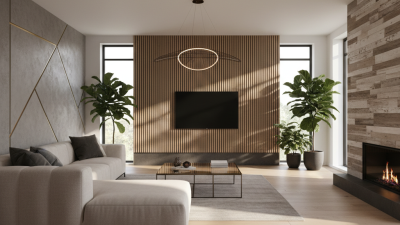
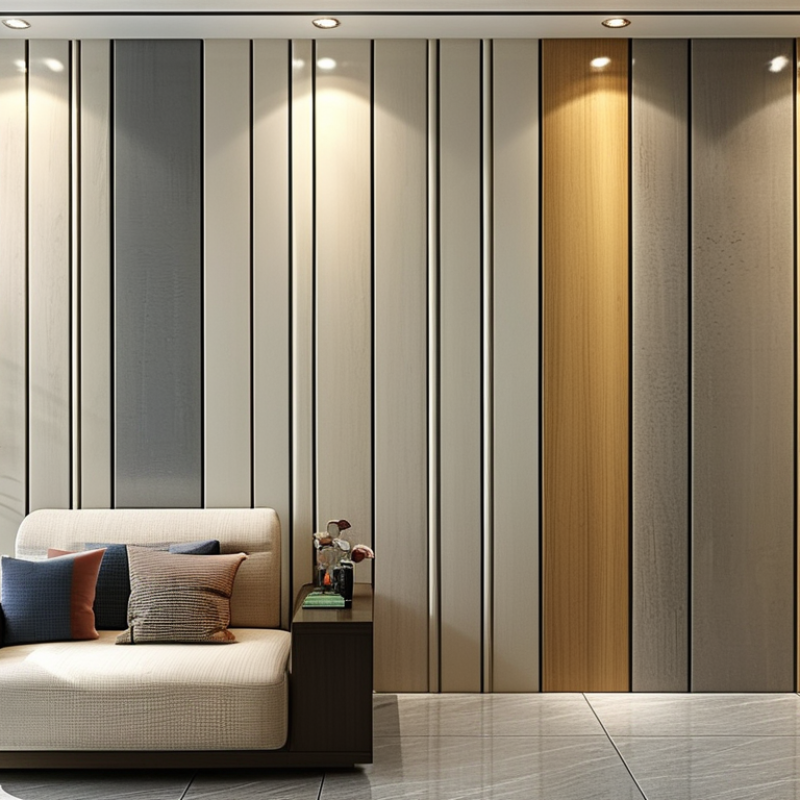
Choosing the right plastic wall panels involves careful consideration of aesthetics. Color is a primary factor. Bright hues can energize a space, while muted tones create a calming environment. However, it's essential to balance your choices with the existing decor. A vibrant red panel might clash with a soft pastel theme, leading to visual discord.
Texture adds another layer of complexity. Smooth finishes often look sleek and modern, while embossed patterns can introduce warmth and character. It's easy to get carried away with trendy designs, but timeless options can ensure longevity in your space. Reflect on how light interacts with the textures. Glossy panels can reflect light beautifully, but they may show fingerprints more readily—something to consider for high-traffic areas.
Lastly, think about your personal style. Are you drawn to minimalism or a more eclectic approach? Your choice should resonate with your identity. A mismatch can leave a space feeling disjointed. Engaging with physical samples can also be enlightening. Photos can deceive, and holding a panel in hand may change your perspective. A beautiful option today might not feel right tomorrow. Prioritize what brings you genuine comfort and joy.
Considering Cost Factors and Budget Constraints in Your Selection
When selecting plastic wall panels, budget constraints are crucial. Understand your financial limits before diving in. Prices can fluctuate significantly based on quality, thickness, and design. Assess your needs carefully. Consider whether you're looking for panels for aesthetics or functionality, as this will influence your investment.
Quality does impact price. Cheaper options may not provide the durability you require. You might save money initially, but consider the long-term costs of replacement and maintenance. Balance affordability and quality to avoid potential regrets down the line.
Installation costs are another key factor. DIY options might save money, but ensure you have the skills. Hiring professionals can increase your budget, yet it often guarantees better results. Weigh these expenses against the benefits of a professional finish. In the end, a thoughtful approach will help you choose wisely.
2026 How to Choose the Best Plastic Wall Panels for Your Needs?
| Type of Panel |
Material |
Cost per Square Foot |
Durability Rating |
Low Maintenance |
Aesthetic Appeal |
| PVC Panels |
Polyvinyl Chloride |
$3.50 |
High |
Yes |
Moderate |
| Polycarbonate Panels |
Polycarbonate |
$4.00 |
Very High |
Yes |
High |
| Acrylic Panels |
Acrylic |
$5.00 |
High |
Moderate |
Very High |
| FRP Panels |
Fiberglass Reinforced Plastic |
$3.00 |
Medium |
Yes |
Moderate |
| Wood-Plastic Composites |
Wood Fiber and Plastic |
$6.00 |
High |
No |
Very High |
Reviewing Installation Processes and Professional vs. DIY Options
When selecting plastic wall panels, consider the installation process. Many homeowners face a dilemma: hire a professional or attempt a DIY project. Each choice has its advantages and challenges. A professional installation guarantees expertise and a polished finish, while DIY projects can save money, but they demand a certain skill level.
For successful DIY installation, ensure you have the proper tools. Measure your walls accurately and calculate the number of panels needed. Watch instructional videos or read tutorials to familiarize yourself with the process. It’s easy to overlook small details, such as seam alignment or adhesive applications. Minor mistakes can lead to unsightly results.
Professional installers often provide warranties and save you time. They have experience handling various wall types and can resolve unexpected issues. However, if you choose to DIY, be prepared for some trial and error. Not every attempt will be perfect, and that is part of the learning curve. Embrace the process and stay patient as you develop your skills.
Comparison of Installation Methods for Plastic Wall Panels