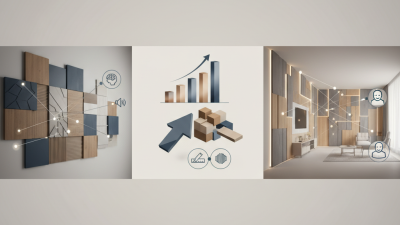
What are the Benefits of Interlocking Wall Panels for Buyers?
Interlocking wall panels have gained traction in the construction industry for their versatility and efficiency. According to a recent report by MarketsandMarkets, the global interlocking wall panel market is projected to reach $2.3 billion by 2025. This growth reflects increasing demand for sustainable building solutions that maximize energy efficiency.
Industry expert Sarah Johnson states, "Interlocking wall panels not only reduce construction time but also lower material waste." Her insight highlights a key benefit: these panels facilitate faster installation. This speed helps builders complete projects on schedule and within budget. Additionally, interlocking wall panels are designed for durability and insulation, making them a desirable choice for eco-conscious buyers.
While the advantages are clear, some challenges exist. Installation may require specialized knowledge, which can increase upfront costs. Moreover, not every construction project is suited for interlocking wall panels. Buyers must carefully assess their needs and consult with experts before making a decision. Understanding these nuances enables buyers to make informed choices in a rapidly evolving construction landscape.
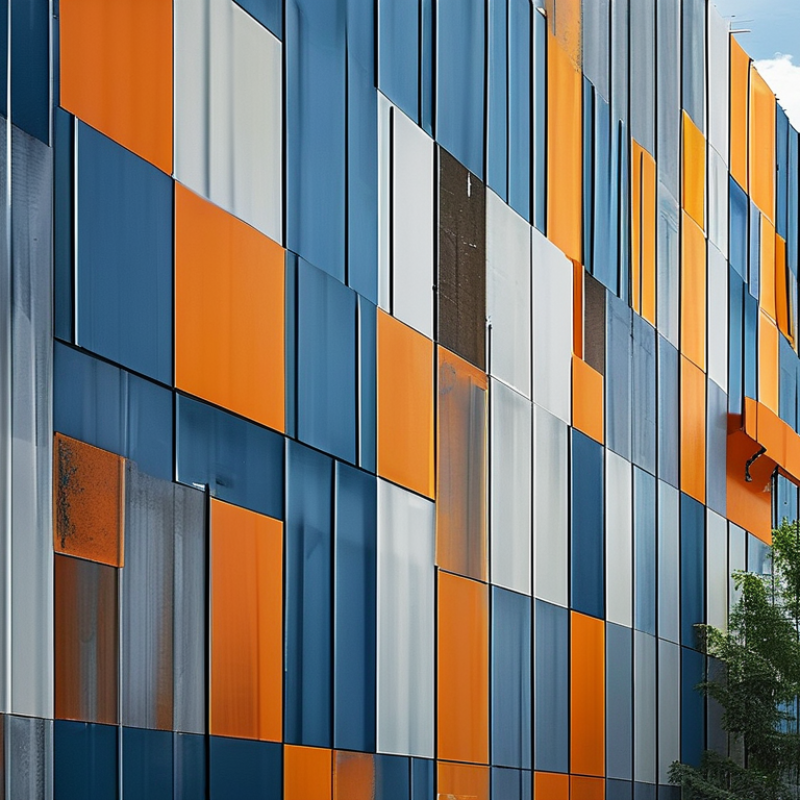
Benefits of Interlocking Wall Panels in Modern Construction
Interlocking wall panels present significant advantages in modern construction. These panels are engineered for efficiency, offering quicker assembly times compared to traditional methods. A study by the Building Research Establishment indicates that interlocking systems can reduce installation time by up to 30%. This efficiency can lead to lower labor costs, which benefits contractors and buyers alike.
Additionally, interlocking panels provide superior thermal insulation. According to the U.S. Department of Energy, buildings equipped with high-quality insulation can save up to 20% on heating and cooling costs. Interlocking systems often have built-in insulation, contributing to more energy-efficient structures. This not only lower operational expenses but also enhances occupant comfort.
However, there may be challenges involved. Installation requires skilled workers familiar with this technology. Mistakes in placement can lead to future issues, like water intrusion. It’s essential for buyers to consider these factors carefully when opting for interlocking wall panels. Balancing the benefits and potential drawbacks is crucial for a successful build.
Cost-Efficiency of Interlocking Wall Panels for Homeowners
Interlocking wall panels present a compelling choice for homeowners seeking cost-efficiency in their building projects. These panels minimize labor costs due to their easy installation process. Many homeowners can save on professional installation fees. The interlocking design allows for quicker assembly, which means less downtime and faster project completion.
Moreover, these panels often have lower material costs compared to traditional building methods. Homeowners can choose from a variety of affordable materials that don’t compromise on quality. This offers flexibility while keeping the budget in check. Additionally, the durability of interlocking panels can lead to savings on repairs or replacements. They withstand various weather conditions well, reducing maintenance expenses over time.
However, reflecting on usability is important. While interlocking panels offer many benefits, they might not suit every home style. Some homeowners may find a learning curve in applying these panels correctly. Misalignment during the initial setup can lead to inefficient insulation or aesthetics issues. It's essential to research thoroughly and consider whether this option fits your specific needs and preferences.
Benefits of Interlocking Wall Panels for Homeowners
Durability and Longevity of Interlocking Wall Panels Compared to Traditional Methods
Interlocking wall panels offer remarkable durability compared to traditional building methods. These panels are often made from high-quality materials designed to withstand harsh weather conditions. This gives buyers peace of mind, knowing their investment will last. Unlike conventional drywall, which can warp or break, interlocking panels provide a strong, resilient surface.
Another significant advantage is their longevity. Interlocking wall panels are less prone to mold or moisture damage. This can save homeowners significant repair costs down the line. Easy installation also reduces labor costs, but not all panels fit perfectly. Sometimes they may require adjustments to align correctly, which needs time and expertise.
However, durability and longevity are not absolute. Environmental factors can still play a role in the lifespan of these panels. For instance, panels exposed to extreme sunlight may fade or degrade more quickly. Buyers should consider their local climate when making a choice. Proper maintenance is essential. Regular inspections can help identify potential issues before they escalate, ensuring your investment remains sound.
What are the Benefits of Interlocking Wall Panels for Buyers? - Durability and Longevity of Interlocking Wall Panels Compared to Traditional Methods
| Aspect |
Interlocking Wall Panels |
Traditional Methods |
| Durability |
High resistance to weather, rot, and pests |
Moderate; susceptible to moisture and termites |
| Longevity |
Typically lasts 50+ years with minimal maintenance |
20-30 years, depending on materials used |
| Installation Time |
Quicker assembly with fewer labor hours |
Longer installation time due to complex processes |
| Maintenance |
Low maintenance required |
Regular upkeep needed to prevent decay |
| Cost-Effectiveness |
Long-term savings due to durability |
Lower initial cost but higher long-term maintenance |
Aesthetic Flexibility and Design Options with Interlocking Wall Panels
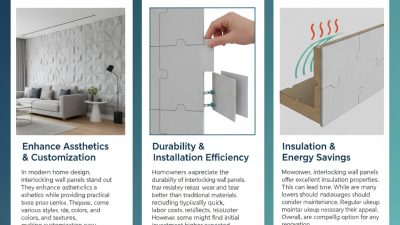
Interlocking wall panels are becoming a popular choice among buyers. Their aesthetic flexibility offers impressive design options for various spaces. According to a recent report by the American Institute of Architects, 70% of designers prefer materials that enhance versatility. Interlocking panels allow for unique configurations and finishes, enabling homeowners to express their personal style effectively.
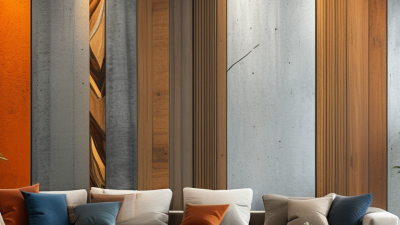
When considering aesthetics, textures and colors play a crucial role. Buyers can choose from wood, stone, or metal finishes, making it easier to match existing décor. This range not only satisfies diverse tastes but also contributes to the overall value of a property. In a survey, 65% of home buyers indicated they are willing to pay more for homes with distinctive design elements.
Here are a few suggestions for maximizing your design potential. Explore combinations of different panel types to create visual interest. Consider incorporating lighting effects to highlight the textures and patterns. Don't shy away from experimenting with bold colors that make a statement, though remember, balance is key. Ensure that your selections harmonize with the overall design of your space.
Ease of Installation and Maintenance for Buyers of Interlocking Wall Panels
Interlocking wall panels offer many benefits for buyers, especially when it comes to ease of installation and maintenance. These panels are designed to fit snugly together, which minimizes gaps and ensures a solid finish. Buyers can often install them quickly, without needing specialized skills or tools. The straightforward interlocking design reduces the complexity of the installation process. This feature can save both time and labor costs.
Maintenance is another advantage that appeals to buyers. Interlocking wall panels are typically made of durable materials that resist wear and tear. Cleaning them usually requires just a simple wipe down. Unlike traditional walls, which may need frequent repainting or repair, these panels often hold their color and integrity for years. However, it’s important to regularly inspect for any damage, as neglecting small issues can lead to bigger problems.
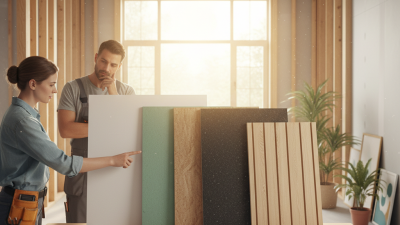
When considering interlocking wall panels, think about your specific needs. Ensure you have a clear plan for installation. Review your current space and consider any potential challenges. Choosing the right materials and sizes can make a significant difference in the overall project success. Remember, it’s wise to remain flexible and adaptable during the process. Adjust your approach if unexpected obstacles arise, as being prepared can lead to better results.